What is self-consumption?
You may have heard the term from installers or seen it in online searches. It’s the share of the solar energy you generate that you use yourself, rather than export to the grid.
Should I be exporting back to the grid for feed-in tariffs?
You can. But most feed-in tariff rates sit between 3 and 10 cents per kWh across most states. They can still reduce your overall bill, but tariffs alone are not where the value of your system comes from right now.
How does adding a battery change things?
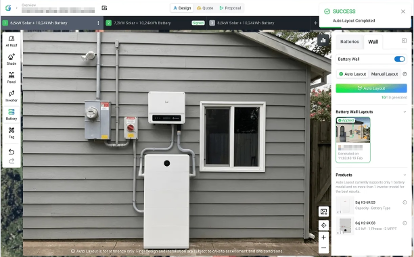
Solar panels generate most of their power around midday. Depending on your household, much of that energy may go unused. A battery stores it so you can use it in the evening and overnight instead of buying from the grid.
That raises your self-consumption, and with it what you can save overall.
| SOLAR ONLY | SOLAR + BATTERY | |
|---|---|---|
| Typical self-consumption | 25–40% | 60–90% |
| Evening and overnight use | Grid | Battery (when charged) |
Is a battery right for everyone?
Not necessarily. Your usage and budget matter, which is why an Emily assessment offers several proposals, including a lower-cost entry system.

See what a battery could do for your roof
Emily measures your roof from above and shows your saving, payback and return as ranges. About a minute, no sign-up, no installer calls unless you ask.
Frequently asked questions
Is a home battery worth it in Australia?
GreenSketch’s analysis of a solar and battery set-up models an average payback of about 4 years across Australia. Individual results will vary.
How much solar power do I use without a battery?
Typically 25–40%.
Can I add a battery to existing solar?
Yes. Emily’s assessment supports new systems (solar and battery by default) and battery-only expansions.
Keep reading
Sources
Editorial note (October 2026): figures in Emily’s assessments are estimates based on modelling of Australian rooftops and are not a guarantee of savings, returns or performance for any individual home. Actual results will vary by property. This article is general information, not personalised financial advice.