1. Sunlight
Australia has plenty of sun, but not evenly spread. Sunnier places generally generate more, which is why Darwin leads every measure in EnergyBrain’s ranking of roof value.
2. Your roof
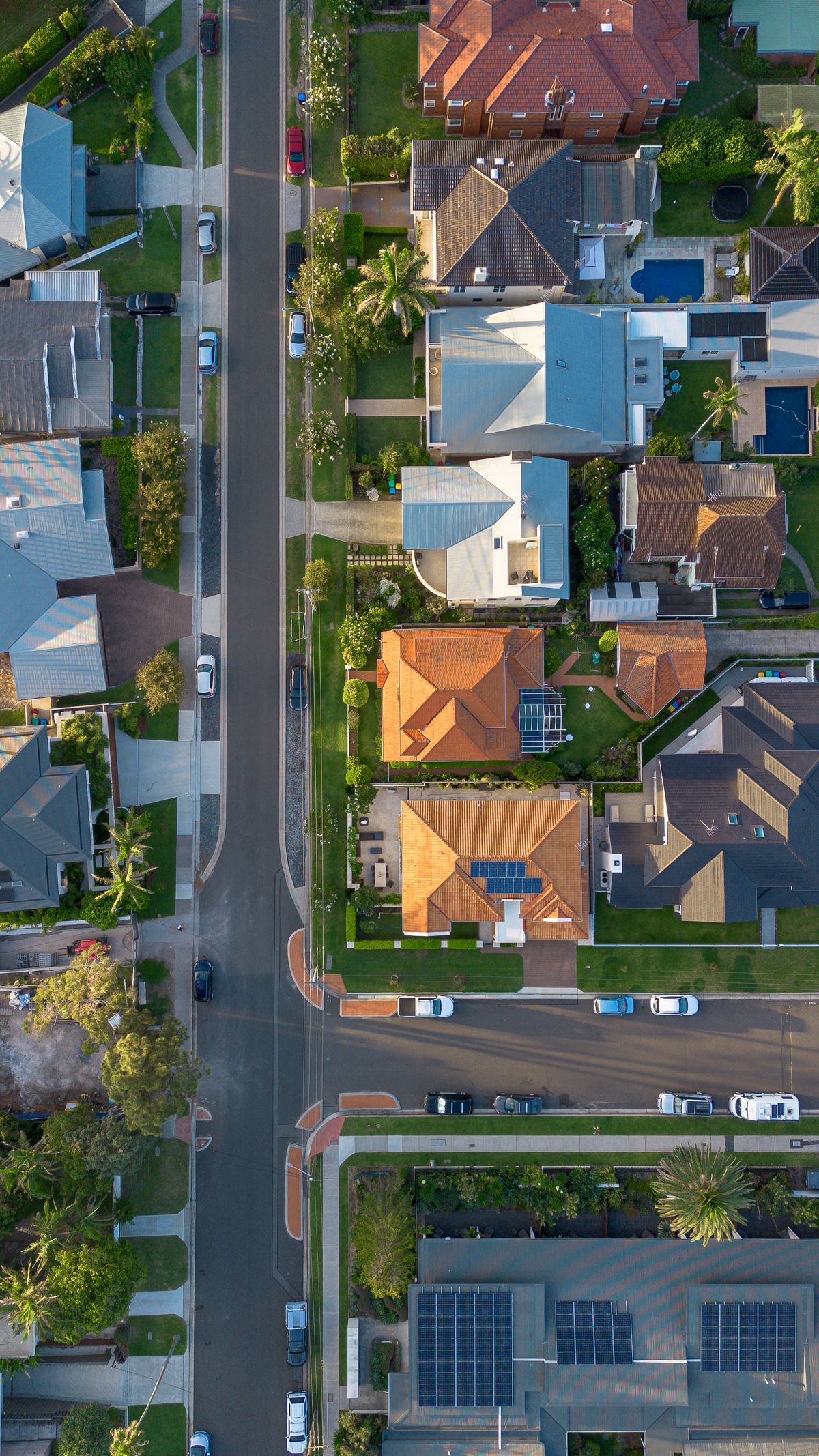
Your roof’s slope, the direction it faces and how many panels it can fit all affect how much it generates.
In the southern hemisphere, north-facing roofs generate the most because they get the most sun. The best angle varies by location; panels are usually mounted flush with the roof. On a flat roof a slight tilt is still recommended, so rain washes dust and debris off.
Buying or moving with solar in mind? Check which way the roof faces and how steep it is.
3. Electricity prices and usage
The more grid power costs, and the more you use during the day and evening, the more each kilowatt-hour of your own solar is worth. The modelling uses each state’s real consumption patterns, including daytime, evening peak and overnight use.
That does not mean bigger is always better. Your system should be sized for your home and how you use power.
4. Government incentives
Federal and state incentives lower your upfront cost. Emily deducts the estimated Small-scale Technology Certificate (STC) incentive and relevant state subsidies when she works out your returns. Incentives change, so check what applies when you get a quote.
See Am I eligible for free or subsidised solar panels in Australia?
How is a system designed for my roof?
Traditionally an installer visits, looks at your bills, checks your roof type, measures the space and looks for shade, then recommends a system.
Emily, EnergyBrain’s roof-assessment AI, does a first pass in minutes:
- Maps your roof from satellite imagery
- Works out your household’s demand
- Sizes the panels, inverter and battery
- Simulates hourly energy flows using local data
Designs follow Australian rules, such as DC/AC ratios and single-phase grid limits. An accredited installer confirms everything before you buy.

Let Emily look at your roof
Emily maps your roof from above and shows your saving, payback and return as ranges. She is an AI, so her figures are estimates, not quotes.
Frequently asked questions
Does my roof direction matter for solar?
Yes. Slope and direction affect how much your panels generate, and both are part of any assessment.
How accurate are AI roof assessments?
Emily turns 2D satellite images into a 3D model of your roof with 87% accuracy, and the model keeps improving over time. Her assessment is not a substitute for an installer’s site check, and it is not financial advice.
Keep reading
Sources
- EnergyBrain (March 2026), The Australian Rooftop Valuation Report, built on GreenSketch rooftop analysis
- Australian Government (DCCEEW): Solar system design, design considerations
Editorial note (October 2026): figures in this article are modelled estimates from EnergyBrain’s Rooftop Valuation Report, Australia (March 2026), built on GreenSketch rooftop analysis of 8.4 million Australian homes. They are not quotes or a guarantee of savings, returns or performance for any individual home, and actual results will vary by property. Prices, rebates and incentives must be checked again for the date and location of any installation. This article is general information, not personalised financial advice.