What does a typical day look like?
Before solar, storage and other renewable technologies went mainstream, most homes drew all their energy from the grid. With more options available, households can now lean on the grid less.
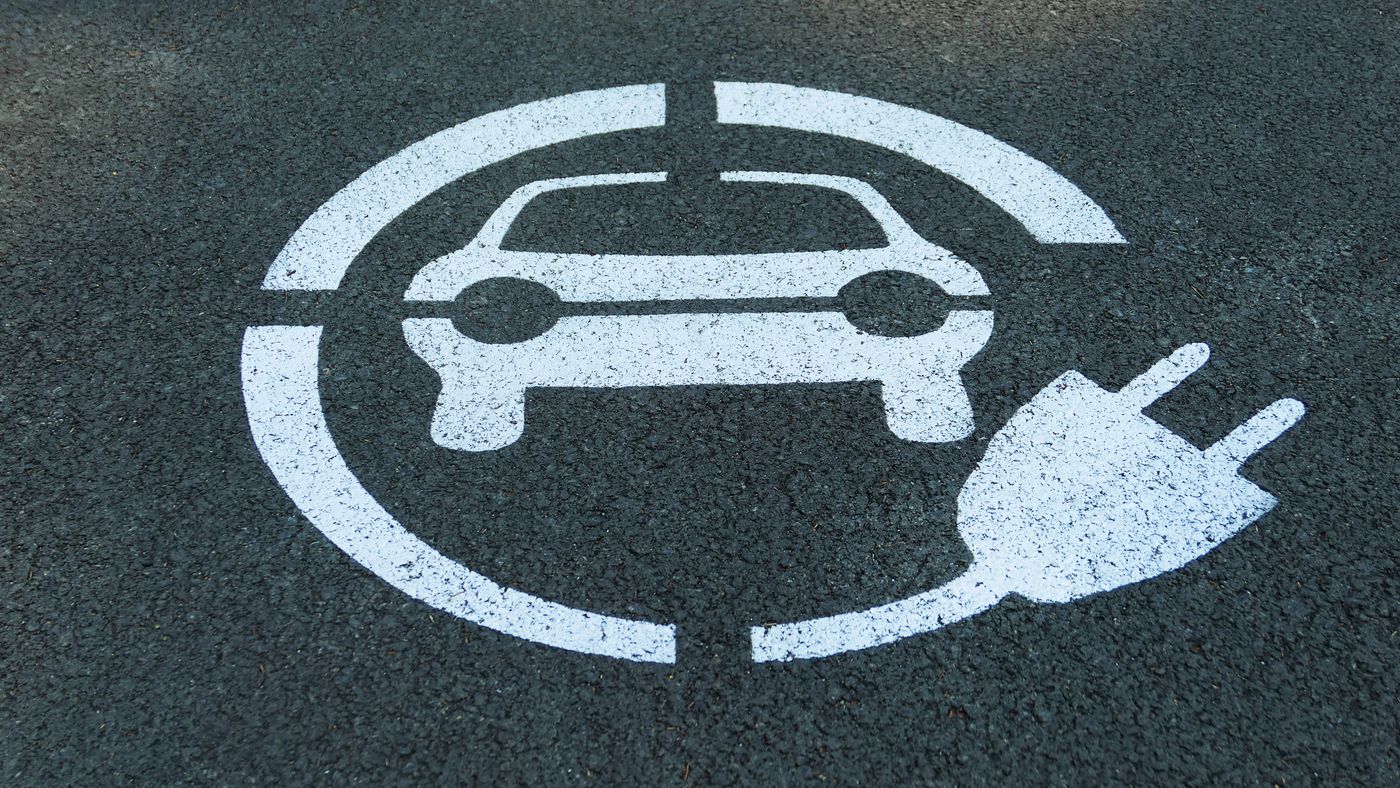
Solar panels, a battery and an electric vehicle (EV) together can help a household achieve greater energy security:
- Daytime: solar generation meets household loads directly.
- Midday surplus: extra generation charges an EV, lowering or potentially eliminating almost all commuting costs.
- Late afternoon: remaining excess energy is stored in a home battery.
- Evening and overnight: the battery discharges to cover remaining demand.
Why does this loop work?
A solar-only home exports most of its midday surplus. But feed-in tariffs in Australia no longer pay what they once did.
Adding a battery and an electric vehicle gives that surplus somewhere valuable to go. You’re not just reducing your energy bill; you’re getting the most out of the energy you produce.
Do I need an EV?
Think of an EV as another way to use surplus power. Whether it makes sense depends on your household and personal circumstances.

Drive an EV? Tell Emily
Let Emily know and she can personalise your solar and battery options. About a minute, no sign-up, no installer calls unless you ask.
Frequently asked questions
Can I charge my EV with solar?
Yes. Surplus daytime solar can charge an EV, though this works best if the car is home during the day.
Does a battery help if I’m out all day?
Yes. A battery stores daytime solar for use after you’re home.
Keep reading
Sources
Editorial note (October 2026): figures in Emily’s assessments are estimates based on modelling of Australian rooftops and are not a guarantee of savings, returns or performance for any individual home. Actual results will vary by property. This article is general information, not personalised financial advice.